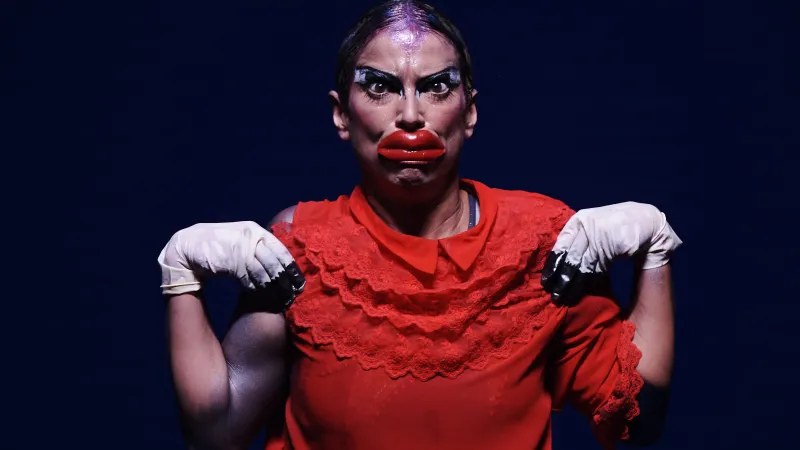
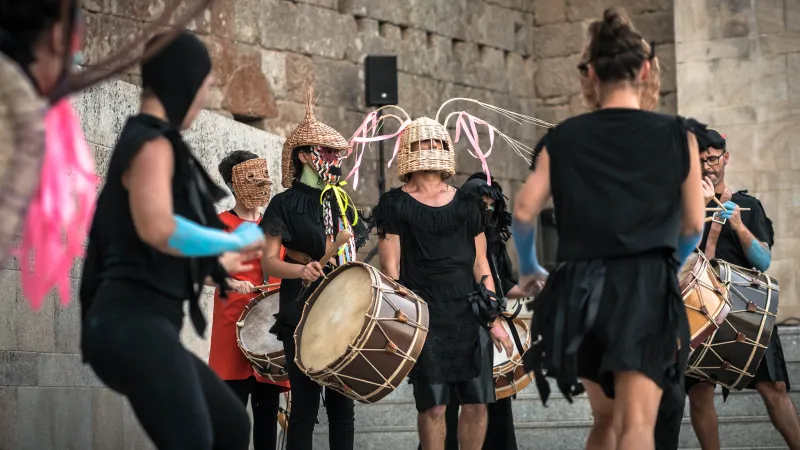
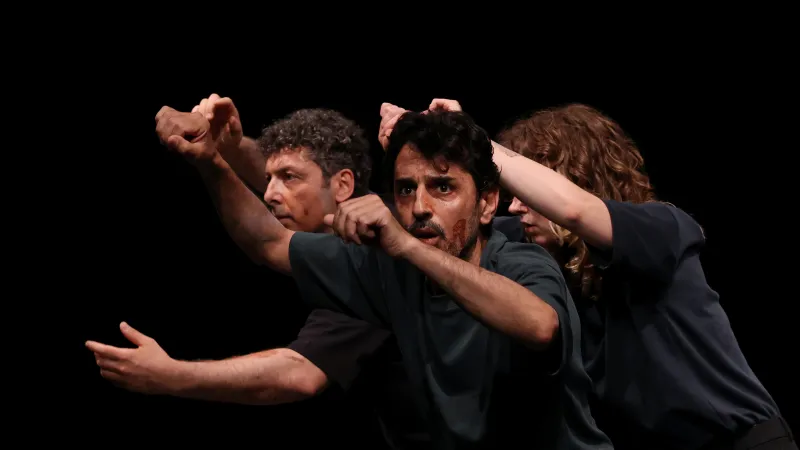
Bringing dance, music and community participation together, this festival celebrates encounters between regions and generations.
In its ninth edition, “Unfold Yourself! Dance and Other Arts Festival!”, organised by PédeXumbo, expands its programme and spreads across the municipality of Évora, with a new ongoing partnership in the rural parish of Azaruja, in collaboration with Fábrica Catalã.
For three days, audiences are invited to visit different spaces, slow down, dance, talk and discover artists, communities and places. Under the theme “Those Who Dance Make Change”, this edition takes Vagar as a starting point for thinking about the pace at which we live and how we occupy the city.
Can we move forward without rushing? Can dance help us find our step? These questions run through a programme that brings together movement, music and participation, seeking to bring people of different ages and backgrounds, from urban and rural areas, closer together.
Two new creations give shape to this encounter. “Palavra Faz a Mudança”, a participatory art installation directed by Miguel Januário (±MAISMENOS±), grows out of a process of listening and collective creation. In laboratory sessions, formal and informal groups in Évora are invited to ask questions about the city, time and the changes they want, with their contributions becoming the material for an installation in public space.
The second creation, “Bail’ibérico”, turns the border into a place of encounter. Under the artistic direction of Teresa Campos, it brings together Collado Project, Galician artists Andrea Montero and Lucía López, and Alentejo artists Ana Silvestre, David Pereira and Joana Ricardo in a dance that brings together traditional repertoires and dances from the Iberian Peninsula. The project combines jotas, viras, fandangos, polyphony and circle dances, inviting the audience to join in and take part in a living tradition shaped by reinvention and conviviality.
The programme extends across cultural spaces, associations, squares and meeting places in Évora and Azaruja. It includes dances with Omiri, Zläbia and Siga Bailando; workshops in Alentejo, European and Iberian dances and flamenco; and family performances such as “Quero Um Piano” by Ana Madureira and Vahan Kerovpyan, and “A Inacreditável Grande Fanfarrinha”. The programme also includes a visit to Alto de São Bento with a bread-making experience, a ceramics workshop, a performance circuit at Sociedade Harmonia Eborense, a concert by Guilherme Faisco, the Capote Música programme, and a workshop on the montado followed by a communal meal cooked over an open fire, featuring a traditional Catalan dish.