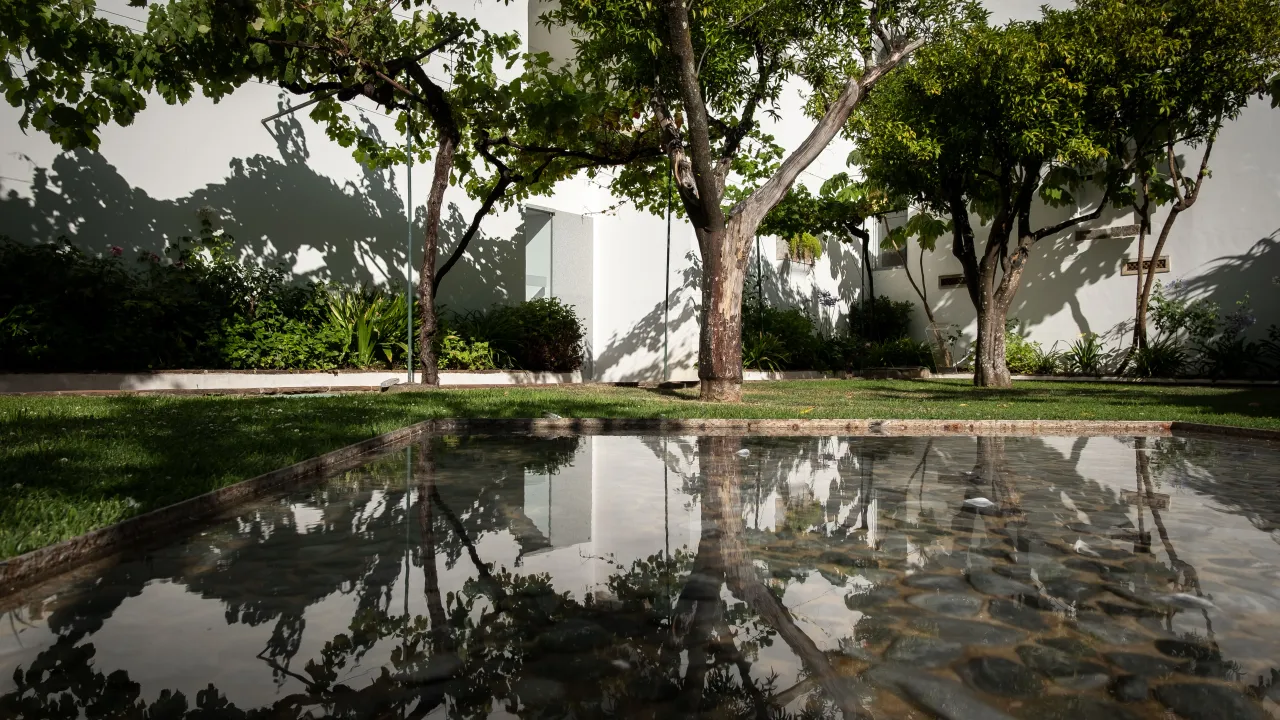
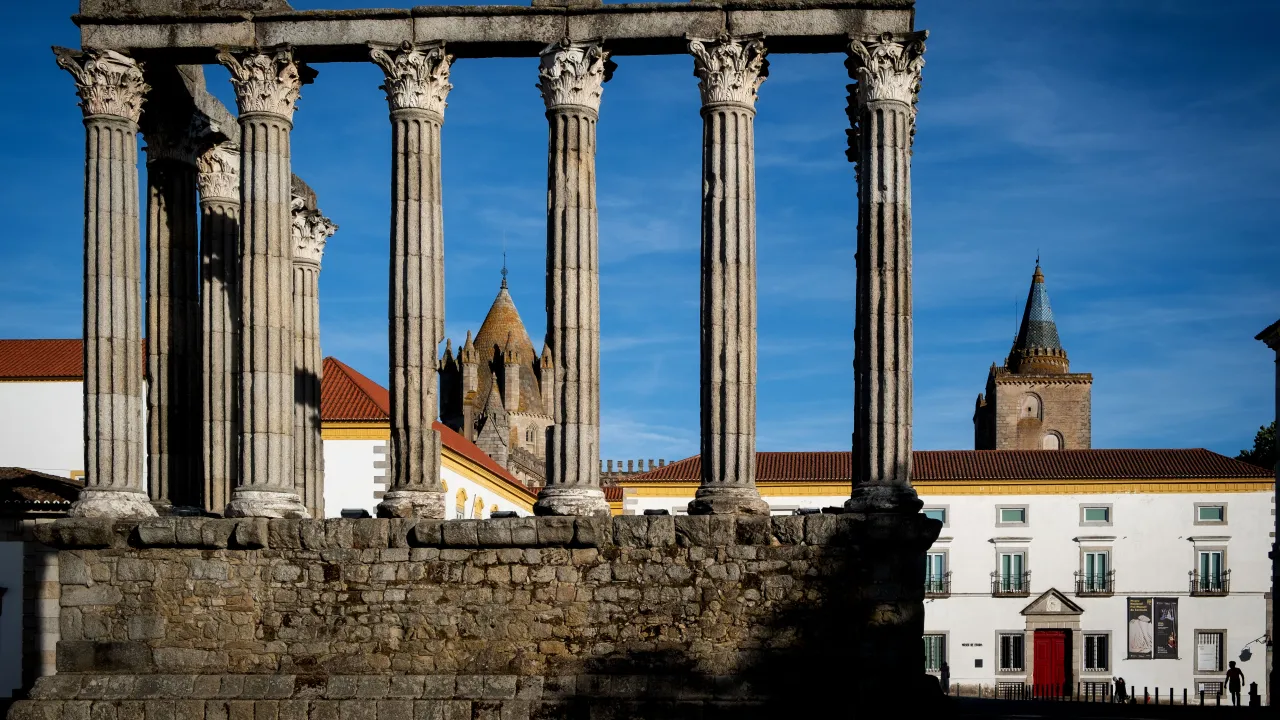
Évora is the natural starting point. Its historic centre, a UNESCO World Heritage Site since 1986, preserves layers of history within its city walls, brought together at every turn. The Roman temple stands just a few steps from the cathedral, the university cloisters are still bustling with students, and Praça do Giraldo serves as the city’s living room, just as it always has. It is well worth wandering through the narrow streets without a map and allowing the city to reveal itself at its own pace. Just a few kilometres away lies the Almendres Cromlech, where nearly a hundred standing stones, erected thousands of years ago, occupy a small hill surrounded by cork oaks, reminding visitors that this land has been inhabited since long before it even had a name.
From Évora, the region unfolds into towns and cities that deserve to be explored at leisure. Elvas, near the Spanish border, boasts a system of star-shaped fortifications that UNESCO recognised as a World Heritage Site in 2012. Monsaraz looks out from its hilltop over the waters of the Alqueva, while in Marvão and Castelo de Vide, the Serra de São Mamede reveals a greener, cooler side of the Alentejo. Vila Viçosa, Estremoz and Borba are closely associated with marble, which features in everything from palaces to doorsteps. Further south, Mértola preserves the memory of the Islamic period with a clarity rarely found elsewhere in the country, while Beja has a historic centre that can easily be explored on foot, taking in its convents and castle.
Between these towns stretches the landscape of cork and holm oak woodlands, known as montado, which best defines the region's interior. Managed for centuries by the people who live and work there, it brings together trees, pastures, livestock and game in a delicate balance. It is also the source of a significant share of the world's cork production. In spring, the countryside bursts into flower, while in summer the plains take on the golden hues so often associated with the region. Further east, Alqueva, the largest artificial lake in Western Europe, has brought boat trips, river beaches and renewed life to the villages along its shores. At night, the skies in this area are among the darkest in Europe. The region was certified as the world's first Starlight Tourism Destination, making stargazing one of the most sought-after experiences for visitors.
And then there is the sea, something many visitors do not expect to find in the Alentejo. Between Tróia and the mouth of the River Seixe, long stretches of beach alternate with sheltered coves framed by cliffs, many of them within the Southwest Alentejo and Vicentine Coast Natural Park. The Rota Vicentina connects walking trails that follow the coastline and venture inland, while places such as Vila Nova de Milfontes and Zambujeira do Mar retain the atmosphere of traditional fishing villages.
These journeys almost always end around a table. Alentejo cuisine was shaped by people who wasted nothing, with bread, olive oil and aromatic herbs such as coriander, pennyroyal and water mint forming the basis of dishes like açordas (traditional bread-based soups), migas (bread-based dishes) and dogfish soup. Black Iberian pork, raised free-range in the montado, features in hearty stews and intensely flavoured cured sausages. The cheeses of Serpa, Évora and Nisa all hold Protected Designation of Origin status, while conventual sweets, made from recipes preserved for centuries behind convent walls, bring any meal to a suitably grand finale. Wine accompanies it all. The Alentejo is one of Portugal's most renowned wine-producing regions, and in Vila de Frades and other localities, vinho de talha is still made: wine fermented in large clay pots using a method inherited from the Romans.
There is also what can be heard and what is crafted by hand. Cante Alentejano, a form of choral singing performed without instruments, was recognised by UNESCO as Intangible Cultural Heritage of Humanity in 2014. Hearing it in a tavern at the end of the afternoon, when a group suddenly breaks into song, is one of those memories visitors take home with them. The cowbells of Alcáçovas and the clay figurines of Estremoz have also received UNESCO recognition. They are joined by the traditional Arraiolos rugs, the pottery of São Pedro do Corval and Redondo, and cork craftsmanship: all traditions that remain alive in small workshops open to anyone curious enough to step inside.
Évora is about an hour and a half from Lisbon, whether travelling by car or train, and the rest of the region is just a few hours away by road. For anyone planning a trip, there is one practical piece of advice: allow more days than you think you will need.