“The feeling of being together, apart, in a situation of exception [...] retains its magic beyond the duration of the game itself.” — Johan Huizinga, Homo Ludens, 1938
In describing the distinctive territories of play, Huizinga brings together places as different as the arena, the card table, the magic circle, the temple, the stage and the screen, recognising in them temporary worlds within the everyday world, where other rules apply. To this geography of exceptional places we might add the playground. Derived from recrear, from the Latin recreare, the word carries the idea of reviving, restoring strength and renewing. There is a curious contradiction in this interval that promises rest yet so often unleashes extraordinary activity, as though anxiously shaking off boredom and embracing the possibility of experiencing the world differently. Time seems to acquire the strange ability to slow down and speed up simultaneously, opening up endless possibilities for games and play. Countless situations continually collide, forming small communities and provisional boundaries, where rules are invented, negotiated and dismantled in the very act of playing.
The playground is understood here as a field of action and relationship, where each game temporarily establishes a territory and each encounter can change the course of events. Between complicity and confrontation, collective experience is built through agreements that are constantly remade. This experience involves exercising freedom, but also negotiating continually with others, with the limits of space and with the conditions of play itself, through which positions are explored, conventions overturned and other possibilities of existence rehearsed.
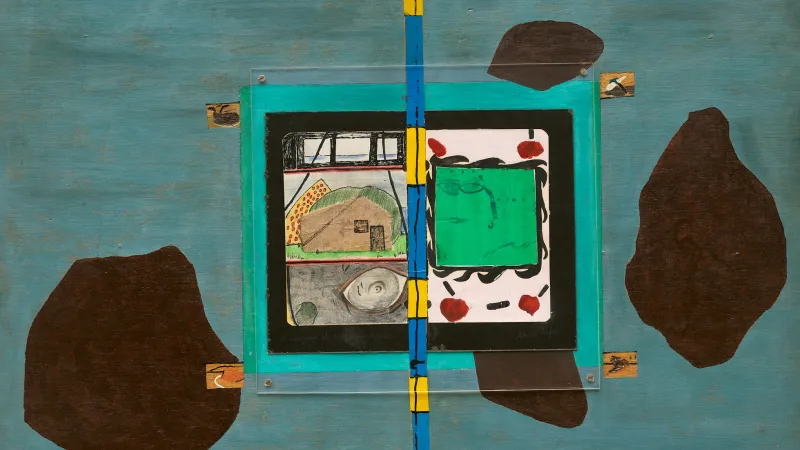
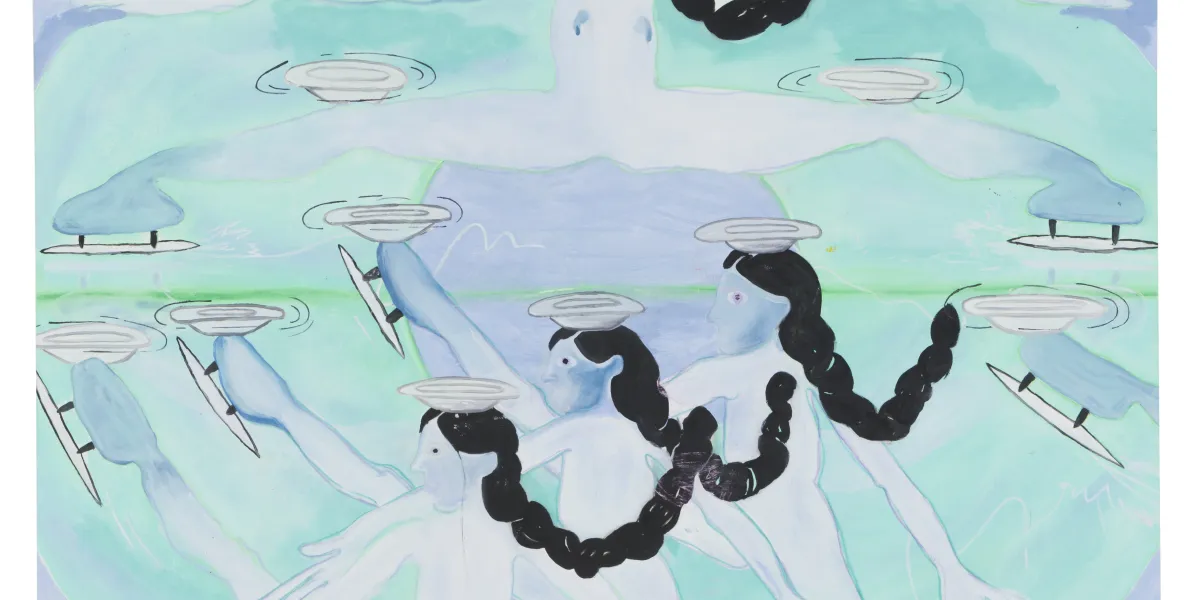
Physical experience and the joy of play run through this exhibition, where the selection of works from the State Contemporary Art Collection evokes the urge to jump, glide, slide, spin, lose one's balance, hide, appear and disappear again. The vertigo of a fall, the anticipation of a jump or the temptation to find a hiding place moves through the exhibition space, calling forth more or less imagined movements that transform perceptions of the body and of objects. This multiplicity brings play close to the experience of making art itself, where rules can become procedures of artistic practice, tested and subverted as the work develops. Humour, accident and absurdity are part of this experience, while the pleasure of experimentation reveals other relationships with our surroundings.
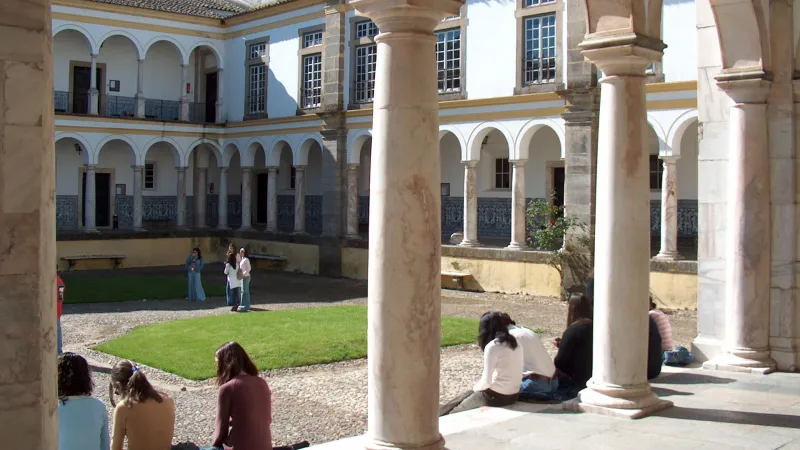
“PLAYTIME” brings together works by different artists, generations and artistic disciplines, proposing new relationships of proximity between distinct practices and imaginative worlds. Their temporary gathering transforms the way each work can be read, as affinities, distances and changes of position generate unexpected associations and alter what one work enables us to recognise in others. Presented at Museu Nacional Frei Manuel do Cenáculo as part of Évora_27 — European Capital of Culture, the exhibition forms a shared territory in which each work carries its own rules and each encounter can change the common ground. The interval ends, but the relationships invented within it may remain in play.