An exhibition explores the history and legacy of the women of São Bento de Cástris, celebrating their cultural and musical heritage.
Commissioned by Évora_27 from the University of Évora, this exhibition seeks to bring the city closer to the Convent of São Bento de Cástris, highlighting its heritage as a place of memory, culture and creativity. Particular emphasis is placed on the role of women and female monastic life in shaping Évora’s cultural identity, bringing their historical, artistic and social significance to the forefront.
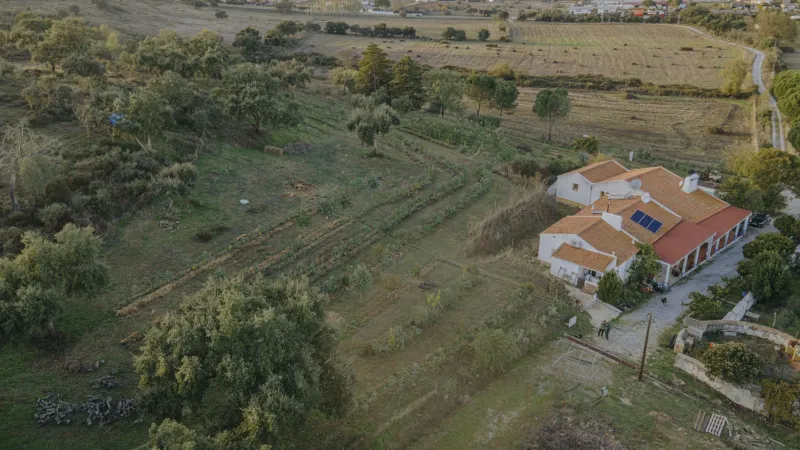
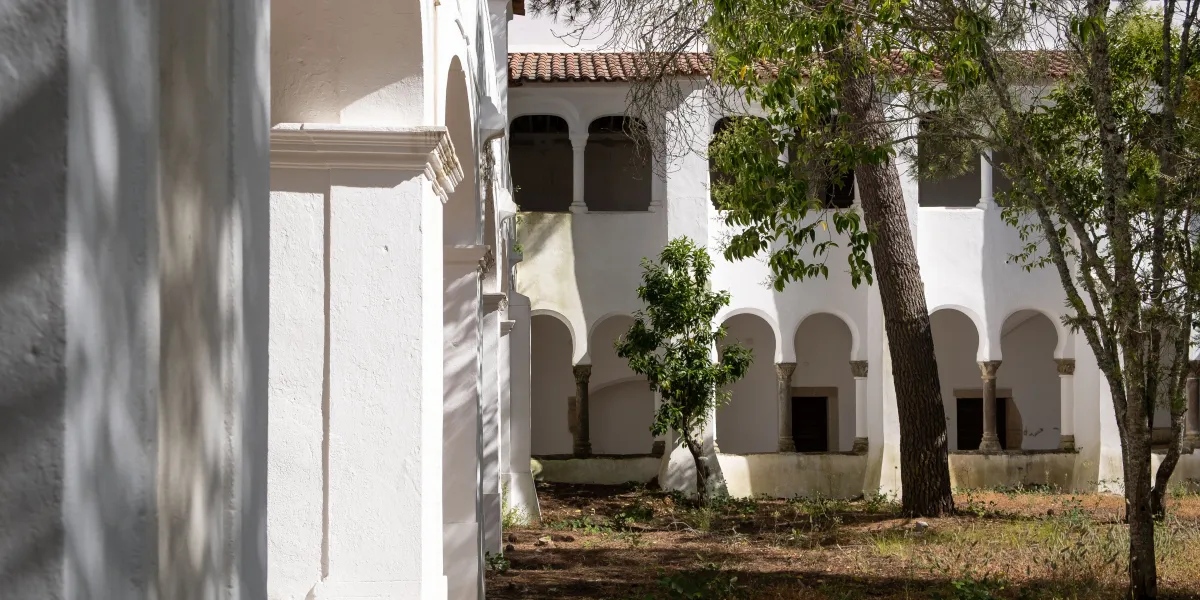
The exhibition unfolds through several thematic sections exploring the monastery’s architectural evolution, the relationship between the building and its surrounding grounds, the agricultural and seasonal rhythms that structured the nuns’ daily lives, and the connection between the religious community and the outside world. It highlights the various roles and occupations of the nuns, bringing to light documented names and biographies to reveal their working practices, devotion and internal organisation. It also explores the presence of men who moved through the convent, including doctors, confessors, musicians, craftsmen and administrators.
One of the exhibition’s central themes is music and artistic creation. Through the relationship between the monastery and the city, visitors are introduced to the musicians and instruments associated with São Bento de Cástris and, above all, to its remarkable Choir Books, exceptional testimonies to Cistercian musical practice. This section offers an insight into the importance of the monastery’s musical heritage, as well as the contemporary research and preservation projects dedicated to it.
The visitor experience will be enriched by sound installations, discovery trails through the cloister and archaeological spaces, and an extensive cultural engagement programme. Under the title Dias de Cástris (Cástris Days), the programme will include guided tours, conferences, performances and artistic residencies, strengthening the connection between heritage, research, contemporary creativity and public participation.
More than an exhibition about a monastery, this project offers a new perspective on the role of São Bento de Cástris in the history of Évora. It reveals how everyday life, spirituality, music and female creativity have contributed to shaping the cultural heritage of the city and the surrounding region over the centuries.